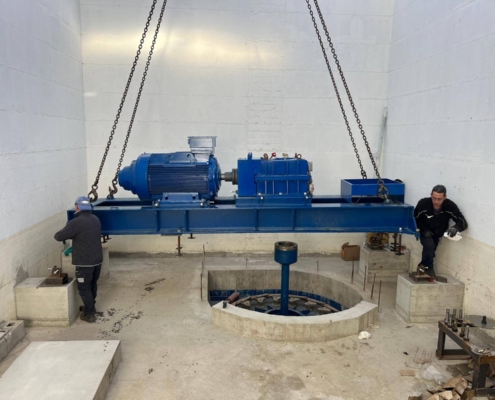
HYDROELECTRIC ENERGY
Clean and Reliable Power Source, Reducing CO2 Emissions

In Italy, thanks to its unique landscape and abundant water resources, hydropower stands out as the ultimate sustainable resource. Hydroelectric energy remains a cornerstone in the renewable energy mix. According to the International Renewable Energy Agency (IRENA), in 2022, global hydropower capacity reached 1,392 GW, accounting for approximately 38% of all renewable sources.
Despite its long history, hydroelectric energy has continually benefited from technological innovations that have increased its efficiency. Today, it is possible to convert up to 90% of water’s energy into electricity, nearly three times more efficient than conventional sources. These advancements have made hydroelectric plants among the most productive in the world.
We specialize in Renewable Energy Engineering and ESG Investments. We operate in both national and international markets, developing and implementing solutions for all types of renewable energy plants to achieve maximum energy efficiency. Our extensive presence across the territory, combined with the highly qualified profile of our technicians, allows us to operate with the necessary synergies to manage complex projects.

With years of experience in the renewable energy sector, we offer reliable and innovative solutions. Our technical expertise enables us to tackle even the most complex challenges.

We are constantly searching for the best technologies to enhance the efficiency and sustainability of our plants. We continuously invest in research and development to stay at the forefront of the industry.

Every project we undertake is driven by our commitment to sustainability. We believe that a greener future is possible, and we work every day to make it a reality.
In a world increasingly focused on sustainability and innovation, hydroelectric and mini-hydroelectric power emerge as ideal solutions for producing clean and efficient energy. But what makes them so special?
1. Renewable Energy
Hydroelectric plants utilise the natural water cycle, which is continuously replenished through precipitation. This makes them an almost inexhaustible energy source.
2. Stability and Reliability
Hydroelectric plants provide a stable and reliable energy source, with base-load capacity that can be used to meet constant electricity demand. They can also quickly respond to demand fluctuations, acting as an energy reserve.
3. Operational Flexibility
Energy production can be adjusted by controlling the water flow through the turbines. This allows energy output to be tailored to the needs of the electrical grid, making hydroelectric plants particularly useful for balancing demand fluctuations.
4. Long Lifespan and Low Operating Costs
Once built, a hydroelectric plant can operate for decades with relatively low maintenance costs. The long lifespan and contained operational costs make hydroelectricity an economically advantageous option in the long term.
5. Consistent Energy Generation
Unlike solar or wind energy, which depend on weather conditions, hydroelectric plants can generate consistent energy regardless of daily climate variations.
6. Local Economic Development
The construction and operation of hydroelectric plants create job opportunities and stimulate the local economy. Additionally, associated infrastructure, such as roads and bridges, can benefit surrounding communities.
7. Sustainability and Conservation
When designed and managed correctly, hydroelectric plants can have minimal environmental impact and contribute to the conservation of natural resources, preserving habitats and water resources for future generations.
8. Water and Environmental Benefits
Hydroelectric plants can contribute to water resource management, improving flood control and facilitating irrigation.
Both hydroelectric and mini-hydroelectric plants generate energy using water, but they differ significantly in terms of size, environmental impact, and applications.

A hydroelectric plant harnesses the kinetic and potential energy of water to generate electricity. These large-scale facilities are designed to produce significant amounts of energy, ranging from tens to thousands of megawatts (MW). They typically include large dams and extensive reservoirs. Their construction requires substantial resources and can take several years. They can operate as base-load plants, providing continuous energy and adjusting production to balance the electrical grid.
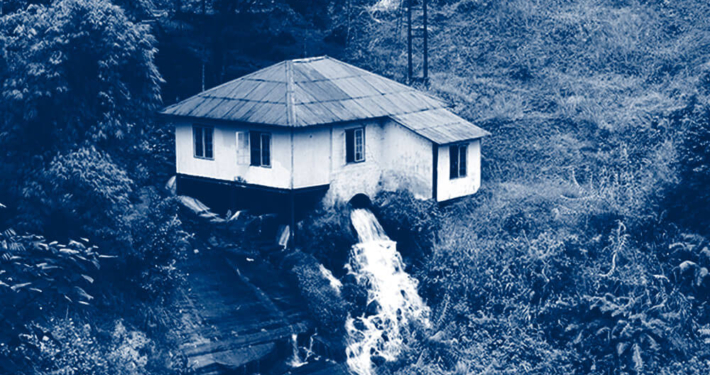
Mini-hydroelectric plants are designed for smaller-scale production, typically between 1 and 10 MW. These plants can be built with simpler, less intrusive structures, making them suitable for smaller local water resources and often easier to integrate into the landscape. They generally offer more stable production but on a reduced scale and may be less flexible than large plants in responding to demand fluctuations. They are often designed to minimise alterations to natural habitats.

We specialize in Renewable Energy Engineering and ESG Investments.
For over a decade, we have harnessed solar power to help fuel our world in a clean, sustainable, and responsible way.
Registered Office
Via 2 Giugno 81
50019, Sesto Fiorentino (FI)
Italy
VAT 06572020482
Operational Office
Via Giovanni Bovio 19
50136, Firenze (FI)
Italy
T. +39 055 6141372
info@quasar-srl.com
@ 2024 Quasar srl, All Rights Reserved.