SOLAR ENERGY
Installing a photovoltaic or agrivoltaic system is one of the most effective solutions to optimize energy consumption and reduce environmental impact.

The Sun is also the origin of fossil fuels, making it the main driver of almost all forms of energy. Today, nearly 150 years after the invention of the photovoltaic cell, solar energy is the fastest-growing renewable source, with an annual growth rate of 24%, according to the 2019 IRENA report. Global installed capacity is close to surpassing 1,000 GW.
Solar energy is an inexhaustible resource that pairs with versatile, silent, and efficient technologies. Some advantages of solar energy are common to many other renewables, such as reducing greenhouse gas emissions and promoting energy self-sufficiency. However, solar energy has unique features that distinguish it from other renewable sources.
We specialise in Renewable Energy Engineering and ESG Investments. We operate in both national and international markets, developing and implementing solutions focused on our client’s needs to achieve maximum energy efficiency. Our widespread presence across the territory, combined with the highly qualified profile of our technicians, allows us to operate with the necessary synergies to manage complex projects.

With years of experience in the renewable energy sector, we offer reliable and innovative solutions. Our technical expertise enables us to tackle even the most complex challenges.

We are constantly searching for the best technologies to enhance the efficiency and sustainability of our plants. We continuously invest in research and development to stay at the forefront of the industry.

Every project we undertake is driven by our commitment to sustainability. We believe that a greener future is possible, and we work every day to make it a reality.
Versatile and sustainable energy
In a world increasingly focused on sustainability and innovation, photovoltaic and agrivoltaic systems emerge as ideal solutions for producing energy cleanly and efficiently. But what makes them so special?
1. Renewable and Inexhaustible Source
The sun is an immutable and abundant source of energy within our time horizon. Even though solar radiation on Earth is reduced by atmospheric conditions, capturing just a small percentage of this energy would be enough to meet the world’s energy needs.
2. Global Availability
The sun shines on every corner of the planet, making solar energy accessible everywhere, even in remote areas without energy infrastructure. This feature allows both large-scale production and local self-consumption, enabling the installation of photovoltaic panels on residential roofs.
3. Integration with Batteries and the Electric Grid
Photovoltaic systems produce energy primarily during the day, but with advanced storage systems, it is possible to better manage energy demand and supply. Solar energy can be easily integrated into the electrical grid, enabling energy communities and allowing producers to sell excess energy.
4. Creation of Local Wealth and Jobs
The solar sector creates numerous jobs, from developers to builders, installers, and maintenance workers. According to a study on ScienceDirect, the photovoltaic sector is expected to generate 22 million jobs worldwide by 2050.
5. Technological Versatility
Solar energy can be harnessed through both photovoltaic panels and thermodynamic systems, offering various applications. It is a quiet technology suitable for different contexts, from residential to commercial.
6. Low Maintenance
Photovoltaic panels require little maintenance beyond periodic cleaning, and their efficiency lasts 20-25 years. The necessary
interventions are minimal, and comparable to those of a traditional electrical system.
7. End-of-Life Sustainability
The materials used in photovoltaic panels are easily disassembled and recyclable, reducing environmental impact. This feature allows for the creation of modular systems adaptable to different needs and territories.
8. Solid and Reliable Technology
Photovoltaic technology is mature, reliable, and high-performing. With the continuous increase in solar cell efficiency and the reduction of costs, solar energy will become increasingly accessible and competitive.
These systems represent a concrete response to modern challenges of sustainability and energy security, offering a unique opportunity to reconcile agricultural production with the transition to a greener energy future.
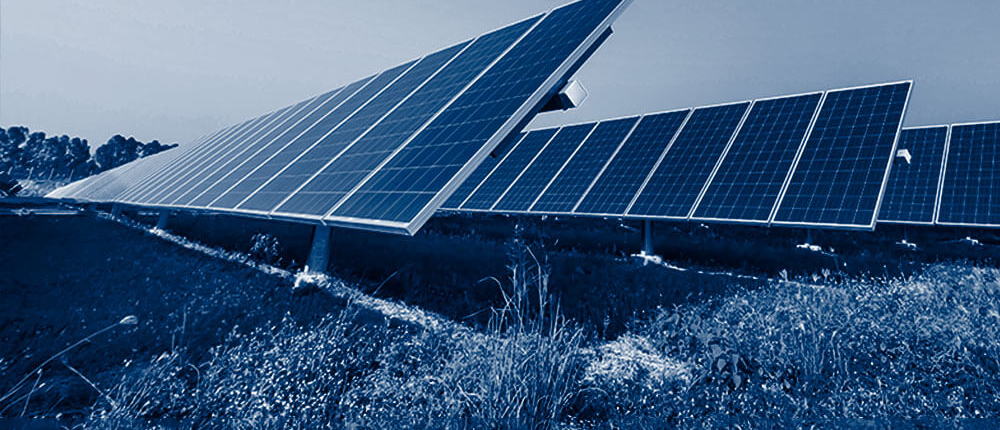
A photovoltaic system is designed to convert sunlight into electricity using photovoltaic panels. The panels are connected to an inverter, which transforms the direct current produced into alternating current, making it usable for consumption. A control system monitors the plant and connects it to the electrical grid, ensuring the distribution of the energy produced. Photovoltaic systems can vary in size, from small residential installations to large commercial or industrial plants.
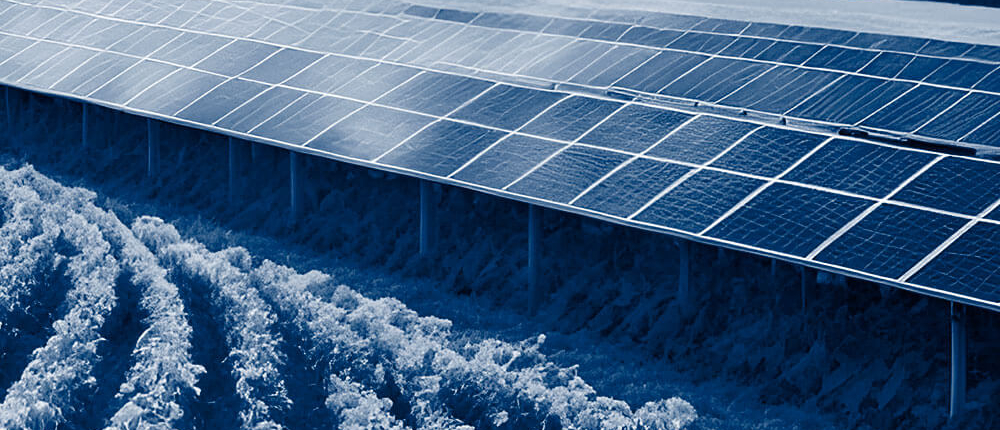
Agrivoltaic is a system that combines solar energy production with agriculture. In an agrivoltaic system, solar panels are mounted above crops or grazing areas. This approach allows for electricity generation without sacrificing agricultural land, optimising land use, and providing shade to crops, helping to reduce water evaporation and protect plants from extreme temperatures, thus improving growing conditions and crop yields.

We specialize in Renewable Energy Engineering and ESG Investments.
For over a decade, we have harnessed solar power to help fuel our world in a clean, sustainable, and responsible way.
Registered Office
Via 2 Giugno 81
50019, Sesto Fiorentino (FI)
Italy
VAT 06572020482
Operational Office
Via Giovanni Bovio 19
50136, Firenze (FI)
Italy
T. +39 055 6141372
info@quasar-srl.com
@ 2024 Quasar srl, All Rights Reserved.